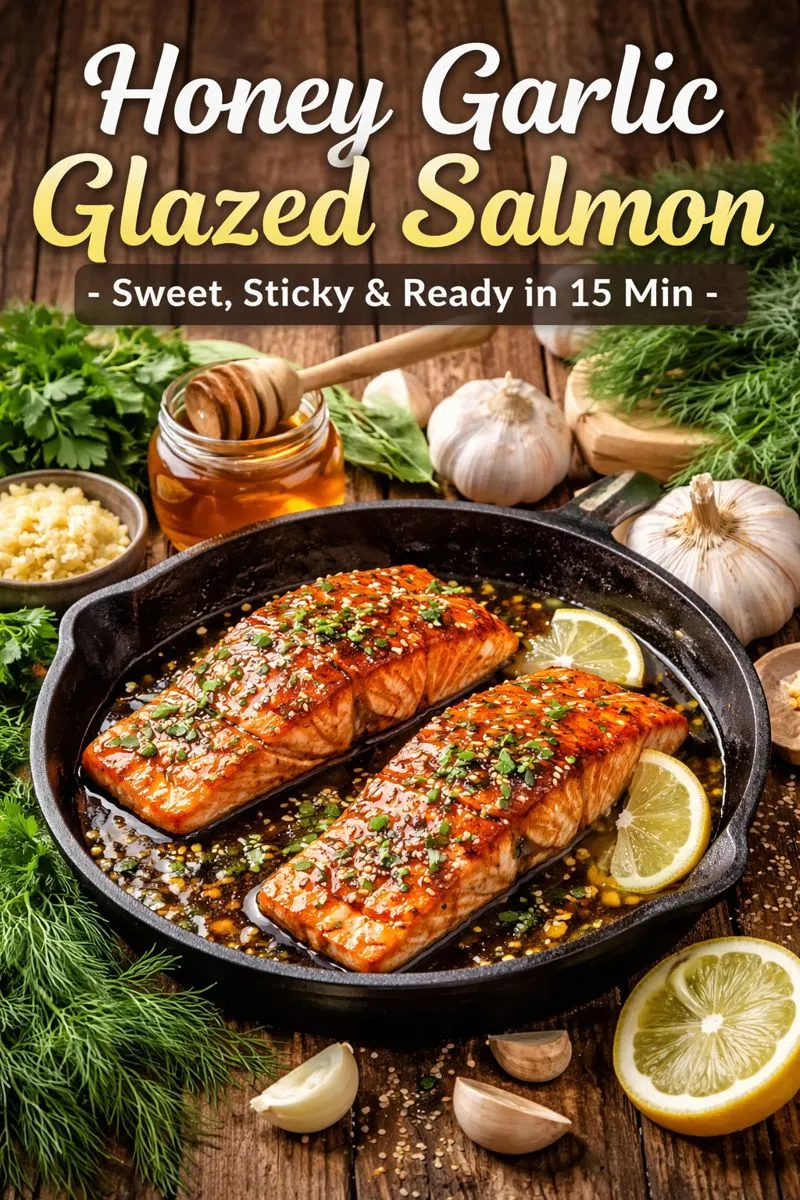
Growing a thriving garden often requires patience and the right resources, but the rewards are incredibly satisfying. For culinary enthusiasts, few things rival the joy of harvesting fresh ingredients right from your backyard to your dinner table. One of the most sought-after garden additions is the source of that perfect honey garlic glazed salmon flavor profile. While salmon itself doesn’t grow on vines, the essential ingredients to create that mouth-watering Honey garlic glazed salmon and fresh herb
Step-by-Step Instructions for Honey garlic glazed salmon
Successfully growing the fresh components for your favorite Honey garlic glazed salmon requires a systematic approach. Whether you are focusing on garlic for that sweet and savory depth or fresh herbs for garnish, following these steps ensures a bountiful yield.
1. Site Selection and Soil Preparation:
Start by choosing a location that receives full sun (at least 6-8 hours daily). The soil must be well-draining; waterlogged soil will rot garlic bulbs and kill delicate herb roots. Amend your soil with rich compost or organic matter to boost fertility. Aim for a soil pH between 6.0 and 7.0.
2. Planting the Seeds or Bulbs:
For garlic, plant individual cloves pointy-side up, about 2 inches deep and 4-6 inches apart. For herbs like dill or parsley, sow seeds about ¼ inch deep. Water the soil immediately after planting to settle the seeds or bulbs
3. Watering Routine:
Consistency is key. Water deeply once a week if there is no rain. Avoid frequent light watering, which encourages shallow roots. Stop watering garlic about two weeks before harvest to allow the bulbs to dry out.
4. Mulching and Weed Control:
Apply a layer of organic mulch (straw or shredded leaves) around your plants. This retains moisture, regulates soil temperature, and suppresses weeds. Be careful not to bury the young shoots too deep.
5. Monitoring Growth:
Keep an eye on the foliage. Healthy green leaves indicate a healthy bulb underground. If you are growing herbs, pinch back the tops regularly to encourage bushier growth rather than tall, spindly stems.
6. Harvesting:
Harvest garlic when the leaves begin to yellow and fall over. Lift the bulbs gently with a garden fork to avoid bruising. For herbs, harvest in the morning when essential oils are most concentrated.
7. Curing and Storing:
Hang garlic in a dry, airy, shaded spot for 2-3 weeks until the skins are papery. Store in a cool, dark place. Herbs can be dried or frozen for long-term use.
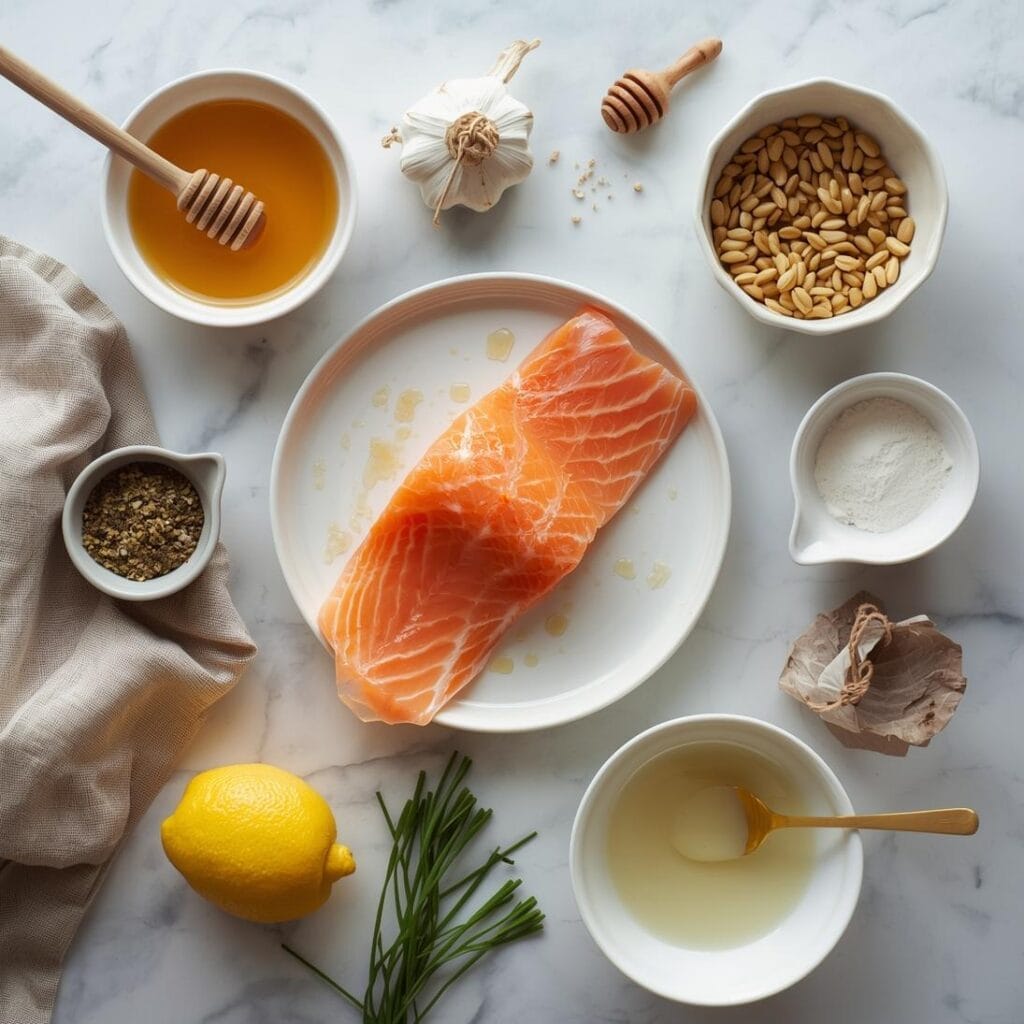
Nutritional Benefits / Advantages to Honey garlic glazed salmon
Growing your own Honey garlic glazed salmon and herbs goes beyond just having fresh ingredients; it is a significant boost to your nutritional intake and environmental footprint. Homegrown produce retains more vitamins and minerals compared to store-bought versions that have traveled long distances.
Immune System Boost:
Garlic is renowned for its allicin content, a compound with potent antibacterial and antiviral properties. Consuming fresh garlic from your garden helps support cardiovascular health and boosts the immune system. Fresh herbs like dill are rich in Vitamin C and manganese, acting as powerful antioxidants
Zero Food Miles:
By growing these ingredients at home, you eliminate the carbon emissions associated with food transportation and packaging. You also reduce plastic waste.
Mental Health and Well-being:
Gardening itself is a proven stress reliever. The physical activity of tending to your plants releases endorphins, while the satisfaction of harvesting provides a sense of accomplishment. Plus, cooking with fresh, organic ingredients enhances the flavor of healthy meals like that honey garlic salmon, making nutritious eating more enjoyable.
Tips, Alternative,Advice to Honey garlic glazed salmon
You don’t need acres of land to grow these ingredients. There are several alternative methods suitable for various living situations and climates.
Container Gardening:
If you have limited space, garlic and herbs grow exceptionally well in pots. Use containers at least 8-10 inches deep with adequate drainage holes. This method is perfect for balconies or patios.
Raised Beds:
For those with poor native soil, raised beds offer total control over the soil composition, ensuring the perfect drainage and nutrients needed for healthy bulbs.
Indoor Growing:
Herbs like parsley and chives can be grown indoors year-round near a sunny window. Garlic is more challenging indoors due to its long growth cycle and root depth, but it can be done in large, deep pots.
Seasonal Considerations:
In colder climates (USDA zones 3-5), plant garlic in late October to allow for vernalization (cold period required for bulb formation). In warmer climates (zones 7-9), plant in December or January. For herbs, bring potted plants indoors before the first frost to extend the harvest season.
Common Mistakes to Avoid to Make Honey garlic glazed salmon
Growing these ingredients is generally easy, but a few common errors can ruin your harvest. Here is what to watch out for.
Overwatering:
This is the number one killer of garlic. The bulbs prefer dry conditions once they are established. If the leaves turn yellow prematurely, check your soil moisture; you might be watering too often.
Planting Too Deep or Too Shallow:
Planting garlic too deep can delay sprouting, while planting it too shallow may expose the bulb to temperature fluctuations. Stick to the 2-inch depth guideline.
Using the Wrong Soil:
Heavy clay soil retains too much water and will cause rot. If you have heavy soil, use raised beds or amend heavily with sand and organic matter.
Fertilizing Too Late:
Garlic needs nitrogen early in the growing season (spring). Applying fertilizer too late can result in lush leaves but smaller bulbs. Use a balanced organic fertilizer in early spring.
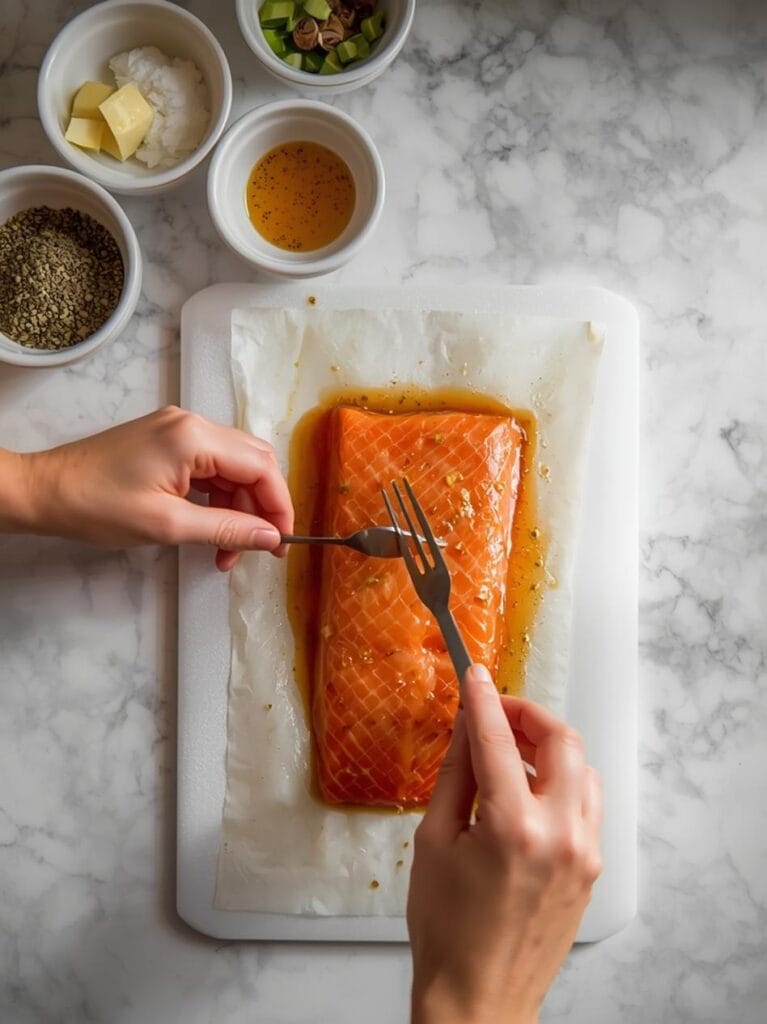
Storage / Maintenance Tips Honey garlic glazed salmon
Proper storage ensures your harvest lasts for months, allowing you to enjoy the taste of summer during the winter
Harvest Handling:
Never wash garlic immediately after harvest. The excess moisture promotes mold. Brush off the dirt and let the bulbs cure in a dry, shaded, and well-ventilated area for several weeks. The neck should be completely dry and the skin papery before storage.
Long-Term Storage:
Store cured garlic in mesh bags, wire baskets, or braided strings in a cool (55-60°F), dark, and dry location. Avoid the refrigerator, as the cold and moisture can trigger sprouting or mold. Properly cured garlic can last 6 to 9 months.
Herb Preservation:
For herbs, drying is the most common method. Tie small bunches and hang them upside down in a warm, dry, dark place with good air circulation. Alternatively, chop herbs finely, mix with a bit of water or olive oil, and freeze in ice cube trays for instant flavor bombs to toss into your salmon dishes.
Winter Maintenance:
After harvesting garlic, rotate your crops. Do not plant garlic or onions in the same spot for at least 3 years to prevent soil-borne diseases. Add a fresh layer of compost to the bed to prepare it for the next planting season.
Conclusion
Cultivating your own garlic and fresh herbs is a rewarding endeavor that elevates your cooking, specifically enhancing dishes like honey garlic glazed salmon. By following the correct preparation times, planting depths, and watering schedules, you can avoid common pitfalls and enjoy a robust harvest. The journey from a small clove or seed to a flavorful ingredient not only provides superior nutrition but also connects you to the food you eat. Start your gardening journey today—turn that store-bought salmon dinner into a gourmet, home-grown experience. Have you tried growing your own culinary staples? Share your tips or experiences in the comments below, and check out our other gardening guides for more inspiration!
FAQs
1. Can I grow garlic in a small pot on my patio?
Yes, absolutely. Garlic is well-suited for container gardening as long as the pot is deep enough (at least 8 inches) and has excellent drainage. You may need to water slightly more frequently than in the ground, but the harvest will be just as flavorful Honey garlic glazed salmon.
2. Why are my garlic leaves turning yellow?
Yellowing leaves can be a sign of overwatering (root rot), underwatering (drought stress), or a nitrogen deficiency. Check the soil moisture first; if it’s soggy, let it dry out. If the soil is dry, water deeply. If it’s spring, apply a nitrogen-rich fertilizer.
3. How long does it take to grow garlic from planting to harvest?
Garlic is typically planted in the fall (October–November) and harvested the following summer (June–July). This equates to a growth period of roughly 8 to 9 months, allowing the bulbs to develop their full flavor during the winter cold period.
4. What are the best companion plants for garlic?
Garlic is a great companion plant for many vegetables. It deters pests like aphids and spider mites. Plant it near tomatoes, carrots, or lettuce. However, keep garlic away from peas and beans, as it can inhibit their growth.
5. Can I use grocery store garlic as seed garlic?
You can, but it’s not recommended. Store-bought garlic is often treated to prevent sprouting and may carry diseases. It is also not acclimated to your specific climate. For the best results, buy certified seed garlic from a garden center or online supplier.